


- Four capabilities fostered in this program
- Unique subjects
- Flow from pre-admission to completion of this Program
- Course Outline
- Students' Voice about QE Experience
Four capabilities fostered in this program
“Humanics” is a discipline that sheds light on the fundamental principles of physiology and pathology of the human, generating new science and technology to achieve a healthy and comfortable life of human beings in the society. The Ph.D. Program in Humanics (Five-year Doctoral Program, University of Tsukuba) cultivates leaders with doctoral-level knowledge and skills in the fields of both biomedical sciences and physical sciences/engineering/informatics, as well as the capacity to integrate two or more research fields and to apply them in human society.
1 Bi-disciplinary Expertise
The capability to integrate two or more research fields based on doctoral-level knowledge and skills in biomedical sciences and one of physical sciences/engineering/informatics.
2 Capability of understanding in bi-disciplinary research from a macro-perspective
The capability to understand and explain the global trends in biomedical sciences and physical sciences/engineering/informatics.
3 Capability to design a bi-disciplinary research
The capability to formulate a new paradigm by conducting the integrated researches through the bi-disciplinary expertise.
overcome difficulties by conducting a bi-disciplinary research.
4 Capability to produce outcomes from a bi-disciplinary research
The capability to execute a bi-disciplinary research to implement the academic and social impacts of the integrated researches toward society.
Unique subjects
The Ph.D. Program in Humanics nurtures leaders who are willing to work on a global stage through entrepreneurship education, internships, and overseas lab rotation etc. Students also learn basic medicine, clinical medicine, and physical sciences/engineering/informatics through lectures and exercises combined with e-learning and PBL (Problem-based learning) in addition to the double mentor system to cultivate the bi-disciplinary expertise.
Common Subjects
Seminar, Research ethics (COMPULSORY: 4 CREDITS COMPULSORY ELECTIVE: 2 CREDITS)
- Initiation Subjects
- Transferable Skill
- Problem Discovery Ability
- Research Execution Ability
Basic Specialized Subjects
Biomedical Sciences and/or Physical Sciences/Engineering/Informatics
From basic to advanced subjects including clinical medicines
- Basic Subjects
- Biomedical Sciences
- Physical Sciencess/Engineering/Informatics
Humanics Specialized Subjects
Lab activity (COMPULSORY: 24 CREDITS)
Flow from pre-admission to completion of this program
The Ph.D. Program in Humanics is a five-year Doctoral Program (we do not provide master’s degree). The program aims to nurture leaders who can formulate a new paradigm by conducting the integrated researches through outstanding bi-disciplinary expertise consisting of biomedical sciences and one of physical sciences/engineering/informatics.

The Ph.D. Program in Humanics awards either Ph.D. in Medical Sciences, Ph.D. in Science, or Ph.D. in Engineering. Qualifying Examination (QE) will be conducted for students who have earned more than 35 credits, and evaluates the ability to propose integrated research plans through the bi-disciplinary expertise consisting of biomedical sciences and one of physical sciences/engineering/informatics. The QE can be carried out early depending on the achievement, and has to be passed by the end of the second year.
The dissertation defense is conducted for students who have earned more than 45 credits and have reached a certain assessment level of the learning portfolio. The ability to tackle emerging issues through the bi-disciplinary expertise and the ability to identify issues that could formulate a new paradigm will be evaluated.
Integrated Research Humanics is pursing
In Humanics – that brings together knowledge from various fields to create new science and technology, research born from your ideas may change the future of society and each of us.
【Humanics research example】

Students' Voice about QE Experience
Entry in 2019
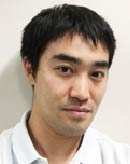
- [Mentors]
- Dr. Satoru Takahashi × Dr. Hiroyasu Ando
QE was a great opportunity to broaden my horizons. It was more than examination. Rather, it was a chance to realize potential significance of my research and to build my future plans. For example, I was doing computer simulation for biological pattern formation. Before QE presentation, my goal was just mathematical description. Advices from the referees made me realize the importance of analyzing how a signal pathway can constitutively contribute to biological pattern formation. So, don’t be afraid of it!
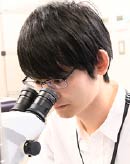
- [Mentors]
- Dr. Yu Hayashi × Dr. Hideaki Kano
The qualifying examination (QE) was an excellent opportunity to revise my research plan. While writing my research plan, I realized there were many ambiguous points, especially the definitions of the words used in my research plan. The most challenging aspect of QE was how to combine the themes in two different laboratories. It is crucial to learn much about the second field. For me, QE was tough; however, the committee members gave me many valuables advice.

- [Mentors]
- Dr. Takeshi Sakurai × Dr. Hotaka Takizawa
It was very hard for me to confirm my credits is enough to apply QE. Please check it by yourself carefully and if you have some worries, inquire about it to professors who belong to Humanics program.
You need to submit your research proposal when you apply QE. After first submission, I had to polish my research plan because my chief examiner asked to add the citation from informatics field more. This opportunity was good for me because I could survey the articles more from my sub-field and think my fusion research more deeply.

- [Mentors]
- Dr. Haruka Ozaki ×
Dr. Makoto Tanaka
Preparing the research plan and presentation for your QE is a great opportunity to review the project and its feasibility. It is easy for us to get lost in the nuances of our studies, as we are constantly immersed in it. However, when we prepare for the QE this allows us to take a step back and explain our work to professors who might not have any exposure to our specific research. For me, this process was crucial in honing my research expectations into a focused project that could be completed within my remaining three years.
Entry in 2020

- [Mentors]
- Dr. Jun Izawa ×
Dr. Masayuki Matsumoto
I entered Humanics after receiving my master's degree, and passed the QE in January at the end of my first year. The advantages of the QE are that it is similar in format to the application form for the JSPS and you can prepare for it, you can get comments on your research plan, and your plan becomes more concrete by preparing for the exam. The preparation time for the documents (research plan) and the presentation was about four months in my case. I think it is important to show the feasibility of your plan and have knowledge so that you can discuss with referees in both fields.

- [Mentors]
- Dr. Kenji Suzuki ×
Dr. Masashi Yamazaki
QE was for me an excellent opportunity to lay down and clarify my ideas and to narrow down what I wanted to do. It is not to be seen as a stressful examination only but as a great opportunity to discuss important points and to receive advice and insightful perspectives. The possibility of a correction of the proposal after receiving comments allows the refinement and polishing of the project. The referees are very helpful and constructive, being not only a one-time jury but following and helping to mold the whole project. It was very challenging but totally valuable.
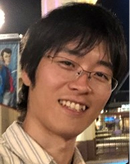
- [Mentors]
- Dr. Masayuki Matsumoto ×
Dr. Jun Izawa
To apply for the QE, you are required to have a research proposal with a certain level of feasibility. Preparing the research proposal was a good opportunity for me to review my own research, including researching the references and setting the goal of my research. It was also a valuable chance to brush up my plan by getting advice from several reviewers from the planning stage, so I recommend that you apply for QE as soon as you have enough credits.

- [Mentors]
- Dr. Osamu Ohneda ×
Dr. Tetsuya Sakurai
QE is a good chance for me to scrutinize my research proposal and make the direction of research project more clear. During the preparation of QE, I frequently discussed with my mentors and both of them gave me some advices for my study. In the QE, all of the referees gave me a lot of suggestions for my research proposal. And these suggestions are really helpful for me to clarify and consolidate the idea of my study now.

- [Mentors]
- Dr. Hiroyuki Kitagawa ×
Dr. Masashi Yanagisawa, Dr. Kazumasa Horie
My QE experience was interesting because I learned about the differences between an engineering proposal presentation and a scientific proposal presentation. Engineers are more interested on How rather than on Why, so regarding the presentation of my model, I felt I focused too much on explaining the background instead of explaining what made my model and my project special and or interesting.
My recommendation for QE is to think about it as if you’re pitching your idea, like selling it to your audience. To succeed, please remark the strengths of your project and what makes it unique.

- [Mentors]
- Dr. Itaru Kitahra ×
Dr. Tatsuya Oda
There is really so much I want to say when it comes to my QE experience.
Although when I found out that QE in Humanics could be done at a year and a half, or even a year early, I wanted to have a try.
But since I hadn't published academic papers or done any research on the subject during my time at university, I had very little experience. So after discussion with my professor, we decided to concentrate on the final QE opportunity at the end of two years. In other word, "one shot to win"「一発勝負」, thus saving more time and effort on research.
And from the preparation of the QE to the publication and the results. I had many discussions and exchanges with the professors on the review committee. Revisiting the QE process and the feeling it brought me, I think it is not just an exam, but a research guidepost. The professors will give advice on current research problems and follow-up plans from both medicine and informatics areas and perspectives, which I feel is crucial.

- [Mentors]
- Dr. Matsumoto Masayuki ×
Dr. Jun Izawa
Although QE may be perceived as an exam, I think it is better to see it as an opportunity to summarize my current work and construct a full-picture vision of future work. By preparing for the QE, I not only had an objective understanding of my research, but I also gain a clearer idea of how to move forward with my study throughout the Ph.D. duration. Preparing materials for the QE is also a good opportunity to practice your writing and presentation skills. Of course, actually advancing our study in daily experiments and data analysis is the most important thing. The daily accumulation will provide strong support for QE.
Entry in 2021

- [Mentors]
- Dr. Kenji Suzuki ×
Dr. Masashi Yamazaki
The QE is one of the most valuable experiences in the Humanics program as writing the research plan makes the research ideas transform into realistic, feasible and measurable steps to acquire significant results. The feedback I received from my referees helped me improve the bi-disciplinary aspects of my proposal and to revise some aspects that were not clear at that time. The possibility of re submitting the research plan after the initial feedback is especially worthwhile and helped a lot to reduce the pressure and also to enhance considerably the research proposal. It is important to be concise, clear and to always think the referees are also multidisciplinary so do not assume the referees will necessarily know all the aspects of your research from the first time.

- [Mentors]
- Dr. Masashi Yanagisawa ×
Dr. Hideaki Kano
‘How to integrate the two fields’ is the most attractive and most difficult aspect of the Humanics program. It was a good opportunity to take some time to think alone about it. In addition, the comments from the supervisors were very informative. Taking the QE at an early stage helped to organize the thinking and research.

- [Mentors]
- Dr. Kazuko Shibuya ×
Dr. Hiroaki Tateno
QE was a good opportunity to find out how referees feel about my project. I tried to make sure that my research proposal and presentation are understandable to all. Since I sometimes had to work them until midnight, it was so difficult. However, referees seemed to understand my project well. I could not only receive precious opinion from them, but also notice various points that I was blind to.

- [Mentors]
- Dr. Satoru Takahashi ×
Dr. Hiroyasu Ando
I took the QE in the spring semester of my 2nd year. the QE is a good opportunity to review your research plan. It is also a good opportunity to get valuable feedback from three professors related to your field. It took me a lot of time to prepare for the QE because I had to fill out a 6-page research proposal in English and I had never had a presentation time of 30 minutes before. I believe that QE will not only upgrade your research but also improve your other skills.
Course Outline
Instructional Type
- 1 Lectures
- 2 Class excercises
- 3 Practical training, experiments, and practical exercises
- 4 Lectures and class exercises
- 5 Lectures and practical training, experiments, and practical exercises
| Course Number | Course Name | Instructional Type |
Credits | standard registration year |
Term | Meeting Days,Period etc. |
Instructor | Course Overview | Remarks |
|---|---|---|---|---|---|---|---|---|---|
| 02RE301 | International Research Rotation | 3 | 5.0 | 1 - 5 | Annual | by request | Atsushi Kawaguchi | This course offers the students the opportunity to select one or two laboratories that they are interested in from those hosted by the faculty members of the Ph.D. Program in Humanics. The students will then engage in their own research in the laboratories for 4 weeks and discuss with their instructors its objectives, procedures and results. In this course, students should be able to acquire a wide range of research techniques and develop their skills for analysis of research results and get an international mindset. |
Identical to 0BXB201. Lectures are conducted in English. face-to-face ※ Class style (In principle, face-to-face) of this course depends on instructor. For details, please contact him/her directly. |
| 02RE302 | Internship in Companies | 3 | 5.0 | 1 - 5 | Annual | by request | Atsushi Kawaguchi | In this course, the students are expected to find a possible company for internship and work on-site |
Identical to 0BXB202. Lectures are conducted in English. face-to-face ※ Class style (In principle, face-to-face) of this course depends on instructor. For details, please contact him/her directly. |
| Course Number | Course Name | Instructional Type |
Credits | standard registration year |
Term | Meeting Days,Period etc. |
Instructor | Course Overview | Remarks |
|---|---|---|---|---|---|---|---|---|---|
| 02RE805 | Special Research in Humanics IIIa | 3 | 2.0 | 3 - 5 | SprABC | by request | Academic Advisors of the Doctoral Program in Humanics | In the Special Research in Humanics IIIa, the students will gain practical understanding of the principles and methods of advanced research skills in the particular laboratory which offers the specialized area of study that the students will aspire to focus on. |
Identical to 0BXB405. Lectures are conducted in English. 主専攻必修科目。 ※ Class style (In principle, face-to-face) of this course depends on instructor. For details, please contact him/her directly. |
| 02RE806 | Special Research in Humanics IIIb | 3 | 2.0 | 3 - 5 | FallABC | by request | Academic Advisors of the Doctoral Program in Humanics | In the Special Research in Humanics IIIb, the students will gain practical understanding of the principles and methods of advanced research skills in the particular laboratory which offers the specialized area of study that the students will aspire to focus on. |
Identical to 0BXB406. Lectures are conducted in English. 主専攻必修科目。 ※ Class style (In principle, face-to-face) of this course depends on instructor. For details, please contact him/her directly. |
| Course Number | Course Name | Instructional Type |
Credits | standard registration year |
Term | Meeting Days,Period etc. |
Instructor | Course Overview | Remarks |
|---|---|---|---|---|---|---|---|---|---|
| 02RE825 | Special Seminars in Humanics IIIa | 2 | 1.0 | 3 - 5 | SprABC | by request | Academic Advisors of the Doctoral Program in Humanics | Special Seminars in Humanics IIIa engages the students in the journal club of the particular laboratory which offers the specialized area of study that the students will aspire to focus on. Featuring the latest original research papers, the students should be able to understand the research objectives, methods, and results, and also have advanced discussions on the meanings, problems, and issues facing the research. |
Identical to 0BXB425. Lectures are conducted in English. 主専攻必修科目。 ※ Class style (In principle, face-to-face) of this course depends on instructor. For details, please contact him/her directly. |
| 02RE826 | Special Seminars in Humanics IIIb | 2 | 1.0 | 3 - 5 | FallABC | by request | Academic Advisors of the Doctoral Program in Humanics | Special Seminars in Humanics IIIb engages the students in the journal club of the particular laboratory which offers the specialized area of study that the students will aspire to focus on. Featuring the latest original research papers, the students should be able to understand the research objectives, methods, and results, and also have advanced discussions on the meanings, problems, and issues facing the research. |
Identical to 0BXB426. Lectures are conducted in English. 主専攻必修科目。 ※ Class style (In principle, face-to-face) of this course depends on instructor. For details, please contact him/her directly. |
| Course Number | Course Name | Instructional Type |
Credits | standard registration year |
Term | Meeting Days,Period etc. |
Instructor | Course Overview | Remarks |
|---|---|---|---|---|---|---|---|---|---|
| 02RE845 | Special Lectures in Humanics IIIa | 2 | 1.0 | 3 - 5 | SprABC | by request | Academic Advisors of the Doctoral Program in Humanics | Special Lectures in Humanics IIIa provides the opportunity for the students to attend the research progress meetings of the particular laboratory which offers specialized areas of study that the students will aspire to focus on. Featuring the latest research presentations, the students will have discussions on research achievements, learn professional knowledge, and develop their advanced skills to proceed with research activities. |
Identical to 0BXB445. Lectures are conducted in English. 主専攻必修科目。 ※ Class style (In principle, face-to-face) of this course depends on instructor. For details, please contact him/her directly. |
| 02RE846 | Special Lectures in Humanics IIIb | 2 | 1.0 | 3 - 5 | FallABC | by request | Academic Advisors of the Doctoral Program in Humanics | Special Lectures in Humanics IIIb provides the opportunity for the students to attend the research progress meetings of the particular laboratory which offers specialized areas of study that the students will aspire to focus on. Featuring the latest research presentations, the students will have discussions on research achievements, learn professional knowledge, and develop their advanced skills to proceed with research activities. |
Identical to 0BXB446. Lectures are conducted in English. 主専攻必修科目。 ※ Class style (In principle, face-to-face) of this course depends on instructor. For details, please contact him/her directly. |
Common Subjects (Initiation Subjects)
| Course Number | Course Name | Instructional Type |
Credits | standard registration year |
Term | Meeting Days,Period etc. |
Instructor | Course Overview | Remarks |
|---|---|---|---|---|---|---|---|---|---|
| 0BXB001 | Humanics Forum | 1 | 1.0 | 1 | Annual | by request | Atsushi Kawaguchi, Hideki Kadone, Yo Oishi, Victor Barradas |
Humanics Forum aims to lead the students to learn the purpose of human resource development and program curricula of the Ph.D. Program in Humanics. Listening to presentations by faculty members and practical lectures by academic researchers, government administrators, and entrepreneurs or researchers who successfully work at business companies. In this seminar, the students will have discussions with their classmates on their study proposals and future career paths, and write a report on their learning objectives and future directions of their study. |
This course starts from 10:00-12:00, Friday April 10, IIIS auditorium. Lectures are conducted in English. 4/10 主専攻必修科目。 face-to-face ※ This course is basically given with "face to face" style. However, the recorded online lecture is provided to students who cannot take the face-to-face class. |
| 0ATGC46 | Scientific Ethics | 1 | 1.0 | 1, 2 | SprAB | Wed4 | Bryan James Mathis, Kenji Irie |
Students will learn about generally accepted practices in the sciences and legal frameworks that define ethical behavior. At course’s end, students will be able to identify a large number of ethical issues and how to properly discuss and resolve them. Online classes will be held. Your instructor will contact you with these details at a later date. |
Identical to 0BTX021. Lectures are conducted in English. Online(Synchronous) |
| 0BXB002 | Basic Experiments in Biomedical Sciences | 3 | 2.0 | 1, 2 | Annual | by request | Atsushi Kawaguchi, Keita Tokuda |
Through working in the laboratories run by program faculty members in Biomedical sciences, the students should be able to understand the outline of the faculty members’ researches and the principles of the fundamental experimental techniques involved. They will also practice the techniques learnt. |
Lectures are conducted in English. face-to-face 【Compulsory Elective Subject】 ※ Class style (In principle, face-to-face) of this course depends on instructor. For details, please contact him/her directly. |
| 0BXB003 | Basic Experiments in Physical sciences/Engineering/Informatics | 3 | 2.0 | 1, 2 | Annual | by request | Atsushi Kawaguchi, Keita Tokuda |
Through working in the laboratories run by program faculty members in Physical sciences/Engineering/Informatics, the students should be able to understand the outline of the faculty members’ researches and the principles of the fundamental experimental techniques involved. They will also practice the techniques learnt. |
Lectures are conducted in English. face-to-face 【Compulsory Elective Subject】 ※ Class style (In principle, face-to-face) of this course depends on instructor. For details, please contact him/her directly. |
Common Subjects (Transferable Skill)
| Course Number | Course Name | Instructional Type |
Credits | standard registration year |
Term | Meeting Days,Period etc. |
Instructor | Course Overview | Remarks |
|---|---|---|---|---|---|---|---|---|---|
| 0ATGC38 | English Discussion and Presentation on Medical Sciences I | 2 | 2.0 | 1, 2 | SprAB | Fri1,2 | Kenji Irie, Tomoaki Mizuno, Yasuyuki Suda |
テレビ会議システムを使った国立台湾大学、京都大学との交流授業(分子細胞生物学に関する英語による講義と討論、英語による論文紹介と討論)を通して、生命科学の知識、および英語によるサイエンスコミュニケーション能力、プレゼンテーション能力を身につける。Iでは、分子細胞生物学をトピックとする。 (1) タンパク質の立体配座、ダイナミクス、酵素学、(2) 転写、(3) 遺伝子発現における転写後調節、(4) 遺伝子発現の制御動物におけるsmall RNAを介した遺伝子サイレンシング、(5) シグナル伝達、(6) 細胞応答と環境要因への適応(I)---酸素、(7) 細胞の反応と環境要因への適応(II)---発生、(8) 細胞の反応と環境要因への適応(III)---細胞の移動、(9) 細胞応答と環境要因への適応(IV)---細胞死、(10) 細胞間コミュニケーションを解析するための先端技術、(11) 学生による論文発表I、(12) 学生による論文発表II |
Lectures are conducted in English. face-to-face(partially online) |
| 0ATGC39 | English Discussion and Presentation on Medical Sciences II | 2 | 2.0 | 1, 2 | FallAB | Wed1,2 | Kenji Irie, Atsushi Kawaguchi, Satoru Takahashi, Yuji Funakoshi, Tomoaki Mizuno, Yasuyuki Suda |
テレビ会議システムを使った国立台湾大学、京都大学との交流授業(分子細胞生物学に関する英語による講義と討論、英語による論文紹介と討論)を通して、生命科学の知識、および英語によるサイエンスコミュニケーション能力、プレゼンテーション能力を身につける。IIでは、がん生物学をトピックとする。 (1) がん生物学、(2) RNA制御とその癌との関係、(3) 腫瘍ウイルス学、(4) テロメア生物学、(5) ゲノム不安定性のメカニズムとその癌との関連性、(6) がんのエピジェネティクス、(7) 癌はどのように成長しますか?、(8) 腫瘍の微小環境、(9) 癌細胞におけるシグナル伝達、(10) がんゲノミクス、(11) 癌研究における動物モデル |
Identical to 0AVC201. Lectures are conducted in English. face-to-face(partially online) |
| 0BTNA11 | Research Presentation and Discussion | 2 | 1.0 | 1 - 3 | Annual | by appointment | Seiya Mizuno, Thomas David Mayers |
In this course, you will learn how to improve your scientific presentation, discussion and critical thinking skills in English. Each week, invited speakers will give interesting presentations about their research which will be followed by a discussion time. In the final weeks, students will present and discuss about their own research. | 原則対面だが、講師の先生の都合によってはオンライン The class will be conducted in person in principle, but may be held online depending on the instructor’s schedule. face-to-face |
| 0BXB101 | Scientific Writing and Publishing | 1 | 1.0 | 1 | Annual | by request | Atsushi Kawaguchi | In this course, students will learn outline of scientific writing and publishing. | Lectures are conducted in English. Online(Asynchronous) |
Common Subjects (Problem Discovery Ability)
| Course Number | Course Name | Instructional Type |
Credits | standard registration year |
Term | Meeting Days,Period etc. |
Instructor | Course Overview | Remarks |
|---|---|---|---|---|---|---|---|---|---|
| 0BTX003 | World-science Leaders' Seminar | 1 | 1.0 | 1 | Annual | by appointment | Tomoaki Mizuno | Students attending this seminar will learn basic knowledge and recent research trends related to the specialized fields of world-leading researchers. The students should also be able to develop their professional and ’Cognoscente’ skills for research as well as acquire skills of research presentation and discussion by discussing with their mentoring instructors the above topics including related matters. In addition, they are expected to gain a better understanding of research procedures and develop abilities to conduct research by writing a report. |
主専攻必修科目。 face-to-face(partially online) ※ Class style (Face to face, Online Asynchronous or Online Synchronous) of each lecture depends on instructor. Please contact the Support Office for details. |
| 0BTX005 | Business Leaders' Seminar | 1 | 1.0 | 1 | Annual | by appointment | Kenji Irie | In this class, world's top business leaders invited to share their experiences in career development and business success and failure in an omnibus format. Students have an opportunity to think about their career paths, gain knowledge of international business, and understand the foundations, including their international cultural background. Students listen to omnibus-style talks and submit a report with the summary and feedback to yourself. Here you will learn the complexity, fun, risks and global business strategies of international business. |
主専攻必修科目。 face-to-face(partially online) ※ Class style (Face to face, Online Asynchronous or Online Synchronous) of each lecture depends on instructor. Please contact the Support Office for details. |
Common Subjects (Research Executive Ability)
| Course Number | Course Name | Instructional Type |
Credits | standard registration year |
Term | Meeting Days,Period etc. |
Instructor | Course Overview | Remarks |
|---|---|---|---|---|---|---|---|---|---|
| 0BXB201 | International Research Rotation | 3 | 5.0 | 1 - 5 | Annual | by request | Atsushi Kawaguchi | This course offers the students the opportunity to select one or two laboratories that they are interested in from those hosted by the faculty members of the Ph.D. Program in Humanics. The students will then engage in their own research in the laboratories for 4 weeks and discuss with their instructors its objectives, procedures and results. In this course, students should be able to acquire a wide range of research techniques and develop their skills for analysis of research results and get an international mindset. |
Identical to 02RE301. Lectures are conducted in English. face-to-face ※ Class style (In principle, face-to-face) of this course depends on instructor. For details, please contact him/her directly. |
| 0BXB202 | Internship in Companies | 3 | 5.0 | 1 - 5 | Annual | by request | Atsushi Kawaguchi | In this course, the students are expected to find a possible company for internship and work on-site |
Identical to 02RE302. Lectures are conducted in English. face-to-face ※ Class style (In principle, face-to-face) of this course depends on instructor. For details, please contact him/her directly. |
| 0BTX045 | Appropriate Technology | 3 | 5.0 | 2 | SprB SprC FallA FallB FallC |
随時 | Kenji Irie |
In terms of local needs, cultures, environments, and people, Appropriate Technology provides opportunities for the students to develop the optimum technology needed for targeted communities and to generate problem-solving skills, improvisational capabilities, and entrepreneurial abilities for future social needs. 1. Through lecture and discussion series, Introduction for appropriate technology provides the opportunities for the students to gain basic knowledge required for studying a wide range of appropriate technology subjects, such as appropriate technology training, current social circumstances in developing countries, field activities, and so forth. 2. In terms of local needs, cultures, environments, and people, Appropriate Technology provides opportunities for the students to develop the optimum technology needed for targeted communities. Contents 1 Learn what is Appropriate Technology 2 Field Trip to Local Area in Japan or Developing country (During Summer Vacation) 3 Product development (about 3 months) and Final Presentation (around December) 4 Submission of reports |
Lectures are conducted in English. face-to-face Compulsory Elective Subject ※For details of its class style, please contact the instructor directly. ※Course Resitration : By May 31st (Reason : Students will start self-learning with e-learning contents etc. in June. |
| 0ATGE58 | Critical Path Research Management | 1 | 2.0 | 1 | FallAB | Mon6,7 | Koichi Hashimoto, Masafumi Muratani, Takeshi Machino, Takeshi Yamada, Aiki Marushima |
"This course aims to equip students with an understanding the process of critical path research and translational research, using to translate the finding in basic research more quickly and efficiently into medical practice. 1. Students will be able to explain the process of medical drug and device development. 2. Students will be able to explain the importance of pre-clinical and clinical studies evaluating the safety and efficacy of medical drugs and devices. 3. Students will be able to explain the social situation of medical drug and device development, and the organization and authorized people concerning drug development. 4. Students will be able to explain the importance of technology for drug and device development and intellectual property." |
Identical to 0AVC205. Lectures are conducted in English. Online(Asynchronous) |
| 0ATGE63 | Regulatory Science of Medical Products | 1 | 1.0 | 1 | FallC | by appointment | Koichi Hashimoto, Masanobu Yamada |
This course aims to equip students with an understanding of regulatory framework of medical products under the pharmaceuticals and medical devices act (PMD act). Upon completion of this course, students will be able to explain regulatory framework of medical products, applications for marketing approval, review process and post marketing safety under the PMD act, National Health Insurance (NHI) pricing formula in Japan and relief services for adverse health effects. |
Online(Asynchronous) Online(Synchronous) |
Basic Specialized Subjects (Basic Subjects)
| Course Number | Course Name | Instructional Type |
Credits | standard registration year |
Term | Meeting Days,Period etc. |
Instructor | Course Overview | Remarks |
|---|---|---|---|---|---|---|---|---|---|
| 0BXB301 | Basic Medical Sciences | 1 | 1.0 | 1 | Annual | by request | Atsushi Kawaguchi, Kosuke Kato, Yuji Funakoshi, Arisa Hirano, Yukino Ogura |
In this course, students will learn outline of 1) central dogma of eukaryotic cells, and 2) structure, function, and pathophysiology of humans. |
Lectures are conducted in English. Online(Synchronous) 【Compulsory Elective Subject】 |
| 0BXB302 | Basic Physical Sciences, Engineering, Informatics | 1 | 1.0 | 1 | Annual | by request | Kazumasa Horie, Hideki Kadone, Akira Imakura, Modar Hassan |
In this course, students will learn outline of 1) Technologies for Humanics and 2) basic mathematical modeling in physical sciences, engineering, and informatics | Lectures are conducted in English. face-to-face(partially online) 【Compulsory Elective Subject】 ※ Class style : face-to-face or Online Synchronous or Video Streaming, will be announced for each lecture |
Basic Specialized Subjects (Biomedical Science)
| Course Number | Course Name | Instructional Type |
Credits | standard registration year |
Term | Meeting Days,Period etc. |
Instructor | Course Overview | Remarks |
|---|---|---|---|---|---|---|---|---|---|
| 0ANB713 | Advanced Bioactive Natural Products Chemistry | 1 | 2.0 | 1 | FallAB | Tue5,6 | Hideyuki Shigemori | In this class, the structure and function of natural physiologically active substances involved in the mysterious life phenomena and mysterious biological phenomena of living things will be explained from the viewpoints of natural product chemistry and bioorganic chemistry. Introduced with recent topics on the development of medicines and pesticides involving these substances. It also aims to deepen knowledge about the biosynthesis and mechanism of action of natural bioactive substances and their application to medical and pesticides. | |
| 0ATGA13 | Clinical Medicine | 1 | 2.0 | 1 | FallAB | Tue1,2 | Naoshi Obara, Tomonori Isobe, Tetsuaki Arai, Takeji Sakae, Kazuhiro Takekoshi, Ikuo Sekine, Hiroyuki Nishiyama, Kiichiro Tsuchiya, Isao Matsumoto, Kiyotaka Nakamagoe, Yusuke Ohara |
臨床医学の実践は病める人を対象とする。その人の持つ医学的問題点を明らかにし、対応策を講じる。考え得る治療法の中から、その人の価値観と決定に従って最善のものを実行する。 目標:医学及び医療の果たすべき社会的役割を認識しつつ、一般的な診療において頻繁に関わる負傷又は疾病に適切に対応できるよう基本的な診療能力を身に付ける。同時に患者さんの思いを理解する。 |
Online(Asynchronous) |
| 0ATGA27 | Lecture in Human Physiology | 1 | 1.0 | 1 | SprA | Thu4,5 | Tadachika Koganezawa,Takeshi Sakurai,Jun Kunimatsu,Hiroshi Yamada,Shingo Soya |
Systematic understanding of human physiological functions. Goal: Upon completion of this course, students will be able to discuss functional mechanisms on various human functions. |
Online(Asynchronous) |
| 0ATGC34 | Outline of Internal Medicine | 1 | 2.0 | 1 | FallAB | Wed7,Thu6 | Kiichiro Tsuchiya, Shinji Saiki, Hidetoshi Takada, Miyako Igarashi, Joichi Usui, Mamiko Sakata-Yanagimoto, Hisato Suzuki, Hidekazu Nishikii, Nobuyuki Murakoshi, Takumi Kiwamoto, Yuya Kondo, Naoyuki Hasegawa, Takashi Hosaka |
内科学、小児科学の概要について、特に成人、小児の基本的疾患について疾患概念、発症機序、診断、治療の概要について学ぶ。 目標:成人、小児の基本的疾患についてさまざまな観点から論じることができる。 |
face-to-face |
| 0ATGC35 | Outline of Surgical Disorders | 1 | 1.0 | 1 | FallAB | Thu5 |
Hideo Ichimura, Yoshiaki Inoue, Keiji Tabuchi, Eiichi Ishikawa, Yasuhiro Homma, Hiroshi Kamada |
To learn the outline of surgery with the concept, pathogenetic mechanism, diagnosis and treatment of fundamental diseases of each surgery department. | Online(partially face-to-face) |
| 0ATGC37 | Laboratory Medicine | 1 | 1.0 | 1, 2 | FallAB | Fri3 | Kazuhiro Takekoshi, Hiromichi Suzuki, Tomoko Ishizu, Takayasu Katos |
最新の臨床検査医学に関連する項目を学び、臨床検査が医療と密接に関連することを理解する。 目標:臨床検査の今日的課題をさまざまな観点から論じることができる。 |
face-to-face(partially online) |
| 0ATGC41 | Prominent Discoveries in Neuroscience | 1 | 1.0 | 1, 2 | SprA | Tue/Thu7 |
Masashi Yanagisawa, Takeshi Sakurai, Takashi Abe, Sakiko Honjoh, Michael Lazarus, Kaspar Vogt, Arisa Hirano, Hirofumi Toda, Katsuyasu Sakurai, Shi Shoi |
The class will be held in an omnibus style, with a total of 11 sessions. The class will discuss a broad topic of molecules, cells, neural circuits, and behavior in a variety of animals, such as flies, mice, and humans. The goal of this omnibus course is to learn advanced principles in neuroscience, by reading "landmark" papers of historical significance in the broad area of neurobiology chosen by each instructor. |
Lectures are conducted in English. face-to-face |
| 0ATGE51 | Pharmacology | 1 | 1.0 | 1 | SprAB | Mon5 |
Masayuki Masu, Norihiko Ohbayashi, Michael Lazarus, Kazuko Keino-Masu, Takuya Okada, Yo Oishi, Tsuyoshi Saito |
This course aims to equip students with an understanding of the basic concepts of pharmacology, current pharmacological researches, and drug-discovery. | Lectures are conducted in English. Online(Asynchronous) |
| 0ATGE61 | Human Infection and Immunology | 1 | 2.0 | 1 | SprAB | Mon3,4 | Kazuko Shibuya, Kiong Ho, Isao Matsumoto, Atsushi Kawaguchi, Kazuya Morikawa, Hiroto Tsuboi, Chigusa Oda, Yukino Ogura, Kosuke Kato, Yuji Funakoshi |
To understand infection biology and immunology is the basis to develop a strategy for control of infectious diseases all over the world. In this course, students study the molecular mechanism of replication and pathogenicity of infectious microbes such as viruses and bacteria, and the structure and function of microbes-encoded factors and host cell-derived factors involved in the replication and pathogenicity. In addition, students also study the immune system, including adaptive and innate immunities, which is crucial for human health and survival. |
Identical to 0BTX103. Lectures are conducted in English. face-to-face(partially online) |
| 0ATGE62 | Stem Cell Therapy | 1 | 1.0 | 1 | SprAB | Thu3 | Osamu Ohneda, Toshiharu Yamashita, Cat Khanh Vuong, Ken Nishimura, Shinichi Fukuda, Marina Matsumiya, Aiki Marushima, Eiji Mizutani |
The objective of this class is to learn basic knowledge and the latest research progress on regenerative medicine and stem cell biology fields by reading original articles. In addition, this class aims to improve individual ability to extract the point at issue of the article and discuss with other participants. 1.To be able to find and select the appropriate original article from major scientific journals by using online searching system. 2.To be able to read and understand the contents of the article, prepare document for the presentation, review the findings of the article within a limited time period. 3.To be able to understand the explanation of the presenter, ask question, and have discussion about significance of the articles or problems to be solved. 4.To be able to value the importance and scientific position of the selected articles in the related research field. |
Lectures are conducted in English. Online(partially face-to-face) |
| 0BTX101 | Human Anatomy and Embryology | 1 | 2.0 | 1 | FallAB | Mon3,4 | Satoru Takahashi,Masaharu Yoshihara | Human anatomy, which is the study of the structure of the entire human body and its relation to function, is an essential part of many novel and emerging interdisciplinary fields in science. First part of the course regarding anatomy provides international students with simplified and integrative essence of gross anatomy using adequate presentation-slides containing a number of images. Second part of the course focuses on fundamental knowledge on embryology to help comprehensive understanding of recent advances in technologies, including regenerative medicine, tissue engineering, and reproductive technology. |
Lectures are conducted in English. 主専攻必修科目。 face-to-face ※ This course is basically given with "face to face" style. |
| 0BTX102 | Human Pathology and Oncology | 1 | 2.0 | 1 | FallAB | Fri4,5 | Mamiko Sakata-Yanagimoto, Mitsuyasu Kato, Takeo Minaguchi, Yukihide Watanabe, Kunio Kawanishi, Yukari Okita |
Human Pathology and Oncology provides opportunities to learn about the basic disease entities of circulatory disturbance (i.e., edema, thrombosis, and infarction), inflammation, and neoplasia, in terms of the causes, pathogenesis, and morphological changes of human diseases. Students establish the general knowledge to understand what is going on in our body in a disease condition and learn the know-how to learn specific knowledges of systemic diseases. In the second half, students study the practical knowledge of cancer therapy by the lectures of the clinical professors who are the specialists of cancer therapy of each organs and tissues. ※Recommended course attendance: Friday 4th and 5th period |
Identical to 0AVC204. Lectures are conducted in English. 主専攻必修科目。 Online(Asynchronous) |
| 0BTX104 | Human Endocrinology and Metabolism | 1 | 2.0 | 1 | SprAB | Wed3,4 | Motohiro Sekiya, Hiroaki Suzuki, Takashi Matsuzaka, Takafumi Miyamoto, Masako Shimada, Hitoshi Iwasaki, Yoshinori Osaki, Hiroshi Ohno, Hitoshi Shimano |
This course aims to develop the students’ abilities to understand the theory of the pathophysiology of human endocrine and metabolic disease through learning 1) development, anatomy and function of endocrine tissue, 2) glucose and lipid metabolism, and 3) physiological functions of hormones and pathological conditions caused by their failure. ※Recommended course attendance: Wednesday 3rd and 4th period |
Lectures are conducted in English. 主専攻必修科目。 Online(Asynchronous) [[Class schedule] 4/16, 4/23, 4/30, 5/14, 5/21, 5/28, 6/4, 6/11, 6/18, 6/25 (Report) |
| 0BTX111 | Biochemistry and Molecular Biology | 1 | 1.0 | 1 | SprAB | Mon1 | Aya Fukuda, Kenji Irie, Tomoaki Mizuno, Takuya Okada, Yuichi Shichino, Cat Khanh Vuong |
This course aims to equip students with understanding the molecular basis in various human functions. Upon completion of this course, students will be able to discuss molecular mechanisms involved in various human body functions. This course is conducted online. Details will be informed later. 1. DNA, RNA, Nucleic acid metabolism, Chromosomes and Genomes 2. DNA Replication, Repair, and Recombination 3. Transcription and Control of Gene Expression 4. Translational Mechanisms and Regulations 5. Metabolism I (Glucose metabolism) 6. Metabolism II (TCA cycle, electron transport system) 7. Metabolism III (Lipid metabolism) 8. Metabolism IV (Amino acid metabolism) 9. The Cell Cycle |
(英) Identical to 0ATGA28. Lectures are conducted in English. Online(Asynchronous) |
| 0BTX112 | Molecular Cell Biology | 1 | 1.0 | 1 | FallAB | Tue3 | Tomoki Chiba, Fuminori Tsuruta |
Cell, a fundamental unit of life, shows a variety of behaviors in response to the environment, such as proliferation, differentiation, cell death, and so on. The cells also have multiple defense mechanisms to maintain their homeostasis from harmful stresses. In this lecture, we will learn and discuss about the molecular mechanisms that support the above mentioned fundamental cellular behaviors. The students will also read the latest original papers in cell biology field and understand the molecular mechanisms through active discussion in the class. |
Lectures are conducted in English. Online(Synchronous) |
| 0BTX114 | Frontier Science in Drug Discovery | 1 | 1.0 | 1 | FallAB | Wed5 | Satoru Takahashi, Ryo Fujita |
In this course, the students will be able to grasp the basic concepts of the logical process of drug discovery by using computational simulation technology. They will learn chemosynthesis, by using in silico screening of lead compounds, molecular design, and combinatorial chemistry methods, and current pharmacokinetics studies to deepen their knowledge of linkages between medical and pharmaceutical sciences. |
Read the handouts in advance. Class will be conducted in English. Lectures are conducted in English. face-to-face face-to-face(partially online) |
| 0BTX125 | Genomics Database Access and Application | 2 | 1.0 | 1 | SprC | Fri5,6 | Masafumi Muratani | This course is designed for first-time exposure to bioinformatics analysis. The main goal of this course is to become familiar with analysis methods for RNA- sequencing and ChIP-sequencing which are often used to perform thesis research. Using own laptop computers or computer terminal connected to University’s central computer server, students perform problem set analysis with practice data with help from instructor and teaching assistants (TAs). These textbook session are followed by a project assignment in which students are expected to find datasets related to their own research interests. The results will be presented in the final presentation. Through this course, students are expected to acquire basic skills on public database usage, analysis using webtools, semi-automated file processing using shell scripting. General concepts of modular structure of informatics analysis and basic scripting should become basis for learning advanced programming. This course also covers ethics and social impact of genomics data privacy issues. If the course is conduced online using Teams and students' own computers, Linux part will be replaced by introduction to R and Python. | Lectures are conducted in English. Online(Synchronous) |
| 0BTX131 | Gene Engineering and Genetically Modified Mice | 2 | 1.0 | 2 | SprABC | Tue5 | Seiya Mizuno | Gene Engineering and Genetically Modified Mice provides the opportunity for the students to study fundamental techniques of gene engineering and principle of making transgenic mice which is application of gene engineering. In addition, the students will debate how to use this lecture for their researches. |
Lectures are conducted in English. face-to-face ※ This course is basically given with "face to face" style. However, the recorded online lecture is provided to students who cannot take the face-to-face class. |
| 0BTX132 | Epigenome Physiology | 2 | 1.0 | 2 | SprC | Mon5,6 | Koichiro Kako, Hiroaki Daitoku, Yuta Takahashi, Shinjiro Hino |
This lecture outlines the biological, medical and social significance of two kinds of genetic information (genome and epigenome). Students select and thoroughly read the latest papers with review process results on DNA or histone epigenome regulation, make slides with PowerPoint, and give presentations. Students who listen the presentation ask questions and discuss with the presenter to understand epigenome functions more details. Students learn the physiological significance of epigenome in a bidirectional way, and understand how submitted papers are revised, edited, and finally accepted. |
Lectures are conducted in English. face-to-face(partially online) ※ Class style (face to face or Online) of each lecture depends on instructor. For details, please contact each instructor in charge. |
| 0BTX133 | Signal Transduction and Drug Design | 2 | 1.0 | 2 | SprAB | Thu2 | Yuji Funakoshi, Hitoshi Shimano, Koichi Hashimoto, Takashi Matsuzaka, Atsushi Kawaguchi, Taka-aki Sato |
This course is designed to assist the students to learn about intracellular reactions controlling cellular function, i.e. signal transduction and diseases caused by failure in signal transduction. They should then be able to acquire the basic knowledge of drug discovery research through learning about developed drugs and strategies for development of new drugs. Professors give lectures on signal transduction of cancer, diabetes and infectious diseases, and development of drugs. |
Lectures are conducted in English. Online(partially face-to-face) ※ Class style (Online or face to face) of each lecture depends on instructor. For details, please contact each instructor in charge. |
Basic Specialized Subjects (Physical Sciences/Engineering/Informatics)
| Course Number | Course Name | Instructional Type |
Credits | standard registration year |
Term | Meeting Days,Period etc. |
Instructor | Course Overview | Remarks |
|---|---|---|---|---|---|---|---|---|---|
| 0AJED17 | Advanced Bioorganic Chemistry | 1 | 1.0 | 1, 2 | This lecture will discuss the structure, classification, chemical synthesis, and reaction with target biomolecules of natural organic compounds (macrolides, peptides, and carbohydrates) for understanding the biological phenomenon based on organic chemistry. In addition, solution-phase multistep synthesis and the other novel synthetic methods (solid-phase synthesis and flow synthesis) will be described. Moreover, the latest research topics will be introduced to explain the importance of current organic chemistry in the life science field. |
Open in an odd number year. Delivered in English upon request |
|||
| 0AJME04 | Biomaterials | 1 | 1.0 | 1, 2 | FallAB | Mon2 | Tetsushi Taguchi, Guoping Chen |
The lecture introduces the basis of the synthesis and characteristics of metal, ceramics, polymers, and biological body-derived biomedical materials that have direct contact with the living body tissue. These all have a mutual influence on biomedical materials and cells, a biocompatibility and bioabsorbable property, surface-modification, adhesive agent, a drug delivery system, tissue replacement and shakeout, and system engineering. These topics will all be reviewed. | Lectures are conducted in English. Online(Synchronous) |
| 0AL0402 | Advanced Course in Data Science | 4 | 2.0 | 1, 2 | SprAB | NT | Kazumasa Shinagawa, Shunnosuke Ikeda, Yuki Endo |
This course provides a systematic introduction to fundamental and advanced methods for analyzing, interpreting, and predicting diverse types of data, with an emphasis on understanding the principles and characteristics of each technique. Through lectures and hands-on exercises using Python, students will develop practical skills for objective, data-driven evaluation and problem solving. | Online(Asynchronous) |
| 0AL5306 | Human Factors | 4 | 1.0 | 1, 2 | Sum Vac | Intensive | Genya Abe, Husam Muslim Hantoosh Alzamili, Makoto Itoh, So Kitajima |
The lecture explains the basic concepts and theories of various human factors related to risk and resilience, and provides examples of concrete solutions, ncluding the latest research trends in the automotive and other fields. In particular, we will focus on human perception and cognitive functions and their mpact on driving and other aspects of vehicle operation. Moreover methods for improving driving safety will be studied. | face-to-face |
| 0AL5409 | Data Engineering I | 1 | 2.0 | 1, 2 | FallAB | Tue3,4 | Toshiyuki Amagasa, Hiroaki Shiokawa, Savong Bou |
In this course, the students will learn the basics and recent topics in data engineering. First, the students will review the fundamental technology of database systems, followed by learning major techniques in data mining and graph processing and its related topics. The students will understand basic approaches of data engineering in the area of database and data mining, as well as recent trends in the area, i.e., graph processing. The lecture is given in English. [About generative AI] Please refer to the “Guidelines for Using Generative AI in Education (for Students)” published by the University of Tsukuba and use it appropriately. |
Lectures are conducted in English. face-to-face(partially online) Conducted in a combination of online (asynchronous) and face-to-face/td> |
| 0AL5410 | Data Engineering II | 1 | 2.0 | 1, 2 | SprAB | Fri3,4 | Hanxiong Chen, Kazumasa Horie |
The former part discusses information retrieval methods focused on search support and knowledge acquisition for various types of large-scale data. First, it presents an overview of the basic techniques, followed by a discussion of search assistance methods, web crawling, link analysis techniques, user mining, behavioral mining, and other knowledge acquisition techniques targeting the Web. The latter part of this course explores the integration of concepts such as deep learning and information retrieval with biological information processing, with a particular focus on information processing in the brain. Specifically, students will learn about information processing at the level of neurons and brain regions, and discuss how these processes are represented in current information technologies, as well as how they differ from their biological counterparts. |
Open in an even number year. Online(Asynchronous) |
| 0AL5419 | Basic Computational Biology | 1 | 2.0 | 1, 2 | FallAB | Thu1,2 | Osamu Tatebe, Tetsuya Sakurai, Yuji Inagaki, Mitsuo Shoji, Keiichi Morikuni |
The course covers the basic concepts and computational methods of computational biology. In this course, students will understand basic methods for solving problems that arise in biology using computational methods. Molecular phylogenetic analysis, quantum and molecular mechanical methods, modeling of phenomena and algorithms, component analysis methods, and high-performance computing will be explained. | Lectures are conducted in English. Online(Asynchronous) |
| 0AL5424 | Advanced Course in Signal and Image Processing I | 4 | 1.0 | 1, 2 | SprA | Mon5,6 | Hiroyuki Kudo | In this lecture, I will explain about the fields of speech, sound, and image coding (compression) in such a way that the overview of the fields can be understood, which is a key technology in multi media. Concretely, we explain Differential Pulse Code Modulation (DPCM) used in speech coding (including used mathematical techniques and ingenuity to improve performances), transform coding used in sound and image coding (including used mathematical techniques and ingenuity to improve performances), and other coding methods (subband coding, vector quantization, and video coding). In every week, an exercise to solve problems related with each week's lecture content is performed by using last 30 minutes of each lecture. | face-to-face |
| 0AL5425 | Advanced Course in Signal and Image Processing II | 1 | 1.0 | 1, 2 | SprB | Mon5,6 | Taizo Suzuki | This lecture explains image processing using filtering, a multimedia technology. First, it covers denoising and smoothing using various averaging filters. Next, it discusses edge detection and sharpening using different differential filters. Furthermore, it introduces similar image processing techniques based on sparsity and energy minimization problems. The lecture systematically explains the fundamental concepts and progresses to more advanced filtering techniques while showcasing actual processing results. It also aims to provide an understanding of the mathematical methods used in each approach and strategies for improving performance. | Online(Asynchronous) |
| 0AL5426 | Advanced Course in Signal and Image Processing III | 1 | 1.0 | 1, 2 | SprC | Mon5,6 | Hotaka Takizawa | Topics such as signal image processing, medical imaging technologies and computer-aided diagnosis will be introduced. | Online(Asynchronous) |
| 0AL5428 | Advanced Course in Computational Algorithms | 1 | 2.0 | 1, 2 | Lectures on algorithms and modeling that emerge in scientific computing, focusing particularly on large-scale linear computation. | Open in an odd number year. Lectures are conducted in English. face-to-face(partially online) Details and changes to the schedule and classrooms will be posted on manaba. |
|||
| 0AL5501 | Cybernics | 1 | 2.0 | 1, 2 | FallAB | Fri1,2 | Hiroaki Kawamoto, Kenji Suzuki, Akira Uehara, Yoshihiro Kuroda, Aiki Marushima, Yukiyo Shimizu |
Cybernics is a new academic field where humans, robots and information systems are fused. From this novel approach, human evolution has been expanded from the physical space to the cyber-physical space. The “Cybernics space” is composed of “human + cyber physical space” where further human evolution can take place. This class is focused on cybernetics, mechatronics, and informatics from the perspectives of medical and social innovation while studying and implementing the basics of Cybernics that integrates brain and neurology, behavioral sciences, robotics, AI, IT technology, physiology, psychology, system integration technologies, big data, law, ethics, philosophy and management. |
Open in an even number year. Lectures are conducted in English if requested face-to-face(partially online) |
| 0AL5520 | Artificial Intelligence | 1 | 2.0 | 1, 2 | This course explores artificial intelligence (AI) from a multidisciplinary perspective, such as physics, information science, mechanical engineering, psychology, and cognitive neuroscience. It addresses fundamental questions such as "What is intelligence?" and examines the theoretical and mathematical foundations of key cognitive functions, including value-based decision-making, learning, recognition, memory, consciousness, and emotion. The course also covers practical applications in intelligent systems and robotics, including embodiment, motor control, and emotion recognition, as well as technologies designed to support human life. Through these topics, students will develop both specialized knowledge in AI system design and deeper insights into the nature of intelligence. |
Not open to students who have received credit for 0AL5520. Open in an odd number year. Not open in 2026. Online(partially face-to-face) Discussions will take place during in-person lectures as well as through online (on-demand) platforms. Interactive discussions will also be conducted online in real time during the scheduled class hours. |
|||
| 0BTX121 | Application of Information Technology in Science | 5 | 2.0 | 1 | FallABC, Sum Vac | Intensive | Takeshi Nagata | In this course, students will learn 1) application of information technology from overviewing computational science including statistical analysis, principal component analysis, clustering, FFT, image analysis and machine learning and 2) practical programming and how to build a practical analysis system based on specific examples by using Matlab. The goal of this course is to give students the basics of advanced numerical analysis and programming skills that can be applied directly to their own research. |
Lectures are conducted in English. 8/25 9/1,8,15,29 10/6,20,27 11/10,17 12/1,8,15,22 1/5 face-to-face |
| 0BTX124 | Computational Structural Biology and Drug Discovery | 5 | 1.0 | 2 | FallC | Tue3-5 | Mitsuo Shoji,Takatsugu Hirokawa,ryuhei harada,Yasuteru Shigeta | Recently, in the fields of biological function analysis and drug discovery, it is essential to understand the underlying mechanism of biomolecule at the atomic level by using various computational methods. In this lecture, students learns the basic knowledge of computational methods such as (1) molecular dynamics calculations, (2) first principles calculations, and (3) drug discovery simulations. They also perform hands-on practice about these methods. |
Lectures are conducted in English. face-to-face |
| 0BXB303 | Structural Biology of Macromolecules | 1 | 1.0 | 1, 2 | SprB | Tue1,2 | Toshiya Senda | When macromolecules (Proteins, DNA, RNA) perform their functions inside a cell, they require specific structures in order to demonstrate their biological roles. Structural biology is a research field that investigates macromolecular structures in order to understand their mechanisms at the atomic/molecular level. This course is designed to assist students in the understanding of structural biology methods, and their applications in life and medical sciences. | Lectures are conducted in English. face-to-face ※ This course is basically given with "face to face" style. |
Humanics Specialized Subjects (Special Research)
| Course Number | Course Name | Instructional Type |
Credits | standard registration year |
Term | Meeting Days,Period etc. |
Instructor | Course Overview | Remarks |
|---|---|---|---|---|---|---|---|---|---|
| 0BXB401 | Special Research in Humanics Ia | 3 | 2.0 | 1 | SprABC | by request | Academic Advisors of the Doctoral Program in Humanics | In the Special Research in Humanics Ia, the students will gain practical understanding of the principles and methods of advanced research skills in the particular laboratory which offers the specialized area of study that the students will aspire to focus on. |
Lectures are conducted in English. 主専攻必修科目。 face-to-face ※ Class style (In principle, face-to-face) of this course depends on instructor. For details, please contact him/her directly. |
| 0BXB402 | Special Research in Humanics Ib | 3 | 2.0 | 1 | FallABC | by request | Academic Advisors of the Doctoral Program in Humanics | In the Special Research in Humanics Ib, the students will gain practical understanding of the principles and methods of advanced research skills in the particular laboratory which offers the specialized area of study that the students will aspire to focus on. |
Lectures are conducted in English. 主専攻必修科目。 face-to-face ※ Class style (In principle, face-to-face) of this course depends on instructor. For details, please contact him/her directly. |
| 0BXB403 | Special Research in Humanics IIa | 3 | 2.0 | 2 | SprABC | by request | Academic Advisors of the Doctoral Program in Humanics | In the Special Research in Humanics IIa, the students will gain practical understanding of the principles and methods of advanced research skills in the particular laboratory which offers the specialized area of study that the students will aspire to focus on. |
Lectures are conducted in English. 主専攻必修科目。 face-to-face ※ Class style (In principle, face-to-face) of this course depends on instructor. For details, please contact him/her directly. |
| 0BXB404 | Special Research in Humanics IIb | 3 | 2.0 | 2 | FallABC | by request | Academic Advisors of the Doctoral Program in Humanics | In the Special Research in Humanics IIb, the students will gain practical understanding of the principles and methods of advanced research skills in the particular laboratory which offers the specialized area of study that the students will aspire to focus on. |
Lectures are conducted in English. 主専攻必修科目。 face-to-face ※ Class style (In principle, face-to-face) of this course depends on instructor. For details, please contact him/her directly. |
| 0BXB405 | Special Research in Humanics IIIa | 3 | 2.0 | 3 - 5 | SprABC | by request | Academic Advisors of the Doctoral Program in Humanics | In the Special Research in Humanics IIIa, the students will gain practical understanding of the principles and methods of advanced research skills in the particular laboratory which offers the specialized area of study that the students will aspire to focus on. |
Identical to 02RE805. Lectures are conducted in English. 主専攻必修科目。 face-to-face ※ Class style (In principle, face-to-face) of this course depends on instructor. For details, please contact him/her directly. |
| 0BXB406 | Special Research in Humanics IIIb | 3 | 2.0 | 3 - 5 | FallABC | by request | Academic Advisors of the Doctoral Program in Humanics | In the Special Research in Humanics IIIb, the students will gain practical understanding of the principles and methods of advanced research skills in the particular laboratory which offers the specialized area of study that the students will aspire to focus on. |
Identical to 02RE806. Lectures are conducted in English. 主専攻必修科目。 face-to-face ※ Class style (In principle, face-to-face) of this course depends on instructor. For details, please contact him/her directly. |
Humanics Specialized Subjects (Special Seminars)
| Course Number | Course Name | Instructional Type |
Credits | standard registration year |
Term | Meeting Days,Period etc. |
Instructor | Course Overview | Remarks |
|---|---|---|---|---|---|---|---|---|---|
| 0BXB421 | Special Seminars in Humanics Ia | 2 | 1.0 | 1 | SprABC | by request | Academic Advisors of the Doctoral Program in Humanics | Special Seminars in Humanics Ia engages the students in the journal club of the particular laboratory which offers the specialized area of study that the students will aspire to focus on. Featuring the latest original research papers, the students should be able to understand the research objectives, methods, and results, and also have advanced discussions on the meanings, problems, and issues facing the research. |
Lectures are conducted in English. 主専攻必修科目。 face-to-face ※ Class style (In principle, face-to-face) of this course depends on instructor. For details, please contact him/her directly. |
| 0BXB422 | Special Seminars in Humanics Ib | 2 | 1.0 | 1 | FallABC | by request | Academic Advisors of the Doctoral Program in Humanics | Special Seminars in Humanics Ib engages the students in the journal club of the particular laboratory which offers the specialized area of study that the students will aspire to focus on. Featuring the latest original research papers, the students should be able to understand the research objectives, methods, and results, and also have advanced discussions on the meanings, problems, and issues facing the research. |
Lectures are conducted in English. 主専攻必修科目。 face-to-face ※ Class style (In principle, face-to-face) of this course depends on instructor. For details, please contact him/her directly. |
| 0BXB423 | Special Seminars in Humanics IIa | 2 | 1.0 | 2 | SprABC | by request | Academic Advisors of the Doctoral Program in Humanics | Special Seminars in Humanics IIa engages the students in the journal club of the particular laboratory which offers the specialized area of study that the students will aspire to focus on. Featuring the latest original research papers, the students should be able to understand the research objectives, methods, and results, and also have advanced discussions on the meanings, problems, and issues facing the research. |
Lectures are conducted in English. 主専攻必修科目。 face-to-face ※ Class style (In principle, face-to-face) of this course depends on instructor. For details, please contact him/her directly. |
| 0BXB424 | Special Seminars in Humanics IIb | 2 | 1.0 | 2 | FallABC | by request | Academic Advisors of the Doctoral Program in Humanics | Special Seminars in Humanics IIb engages the students in the journal club of the particular laboratory which offers the specialized area of study that the students will aspire to focus on. Featuring the latest original research papers, the students should be able to understand the research objectives, methods, and results, and also have advanced discussions on the meanings, problems, and issues facing the research. |
Lectures are conducted in English. 主専攻必修科目 face-to-face ※ Class style (In principle, face-to-face) of this course depends on instructor. For details, please contact him/her directly. |
| 0BXB425 | Special Seminars in Humanics IIIa | 2 | 1.0 | 3 - 5 | SprABC | by request | Academic Advisors of the Doctoral Program in Humanics | Special Seminars in Humanics IIIa engages the students in the journal club of the particular laboratory which offers the specialized area of study that the students will aspire to focus on. Featuring the latest original research papers, the students should be able to understand the research objectives, methods, and results, and also have advanced discussions on the meanings, problems, and issues facing the research. |
Identical to 02RE825. Lectures are conducted in English. 主専攻必修科目。 face-to-face ※ Class style (In principle, face-to-face) of this course depends on instructor. For details, please contact him/her directly. |
| 0BXB426 | Special Seminars in Humanics IIIb | 2 | 1.0 | 3 - 5 | FallABC | by request | Academic Advisors of the Doctoral Program in Humanics | Special Seminars in Humanics IIIb engages the students in the journal club of the particular laboratory which offers the specialized area of study that the students will aspire to focus on. Featuring the latest original research papers, the students should be able to understand the research objectives, methods, and results, and also have advanced discussions on the meanings, problems, and issues facing the research. |
Identical to 02RE826. Lectures are conducted in English. 主専攻必修科目。 face-to-face ※ Class style (In principle, face-to-face) of this course depends on instructor. For details, please contact him/her directly. |
Humanics Specialized Subjects (Special LLectures)
| Course Number | Course Name | Instructional Type |
Credits | standard registration year |
Term | Meeting Days,Period etc. |
Instructor | Course Overview | Remarks |
|---|---|---|---|---|---|---|---|---|---|
| 0BXB441 | Special Lectures in Humanics Ia | 2 | 1.0 | 1 | SprABC | by request | Academic Advisors of the Doctoral Program in Humanics | Special Lectures in Humanics Ia provides the opportunity for the students to attend the research progress meetings of the particular laboratory which offers specialized areas of study that the students will aspire to focus on. Featuring the latest research presentations, the students will have discussions on research achievements, learn professional knowledge, and develop their advanced skills to proceed with research activities. |
Lectures are conducted in English. 主専攻必修科目。 face-to-face ※ Class style (In principle, face-to-face) of this course depends on instructor. For details, please contact him/her directly. |
| 0BXB442 | Special Lectures in Humanics Ib | 2 | 1.0 | 1 | FallABC | by request | Academic Advisors of the Doctoral Program in Humanics | Special Lectures in Humanics Ib provides the opportunity for the students to attend the research progress meetings of the particular laboratory which offers specialized areas of study that the students will aspire to focus on. Featuring the latest research presentations, the students will have discussions on research achievements, learn professional knowledge, and develop their advanced skills to proceed with research activities. |
Lectures are conducted in English. 主専攻必修科目。 face-to-face ※ Class style (In principle, face-to-face) of this course depends on instructor. For details, please contact him/her directly. |
| 0BXB443 | Special Lectures in Humanics IIa | 2 | 1.0 | 2 | SprABC | by request | Academic Advisors of the Doctoral Program in Humanics | Special Lectures in Humanics IIa provides the opportunity for the students to attend the research progress meetings of the particular laboratory which offers specialized areas of study that the students will aspire to focus on. Featuring the latest research presentations, the students will have discussions on research achievements, learn professional knowledge, and develop their advanced skills to proceed with research activities. |
Lectures are conducted in English. 主専攻必修科目。 face-to-face ※ Class style (In principle, face-to-face) of this course depends on instructor. For details, please contact him/her directly. |
| 0BXB444 | Special Lectures in Humanics IIb | 2 | 1.0 | 2 | FallABC | by request | Academic Advisors of the Doctoral Program in Humanics | Special Lectures in Humanics IIb provides the opportunity for the students to attend the research progress meetings of the particular laboratory which offers specialized areas of study that the students will aspire to focus on. Featuring the latest research presentations, the students will have discussions on research achievements, learn professional knowledge, and develop their advanced skills to proceed with research activities. |
Lectures are conducted in English. 主専攻必修科目。 face-to-face ※ Class style (In principle, face-to-face) of this course depends on instructor. For details, please contact him/her directly. |
| 0BXB445 | Special Lectures in Humanics IIIa | 2 | 1.0 | 3 - 5 | SprABC | by request | Academic Advisors of the Doctoral Program in Humanics | Special Lectures in Humanics IIIa provides the opportunity for the students to attend the research progress meetings of the particular laboratory which offers specialized areas of study that the students will aspire to focus on. Featuring the latest research presentations, the students will have discussions on research achievements, learn professional knowledge, and develop their advanced skills to proceed with research activities. |
Identical to 02RE845. Lectures are conducted in English. 主専攻必修科目。 face-to-face ※ Class style (In principle, face-to-face) of this course depends on instructor. For details, please contact him/her directly. |
| 0BXB446 | Special Lectures in Humanics IIIb | 2 | 1.0 | 3 - 5 | FallABC | by request | Academic Advisors of the Doctoral Program in Humanics | Special Lectures in Humanics IIIb provides the opportunity for the students to attend the research progress meetings of the particular laboratory which offers specialized areas of study that the students will aspire to focus on. Featuring the latest research presentations, the students will have discussions on research achievements, learn professional knowledge, and develop their advanced skills to proceed with research activities. |
Identical to 02RE846. Lectures are conducted in English. 主専攻必修科目。 face-to-face ※ Class style (In principle, face-to-face) of this course depends on instructor. For details, please contact him/her directly. |